
Federica
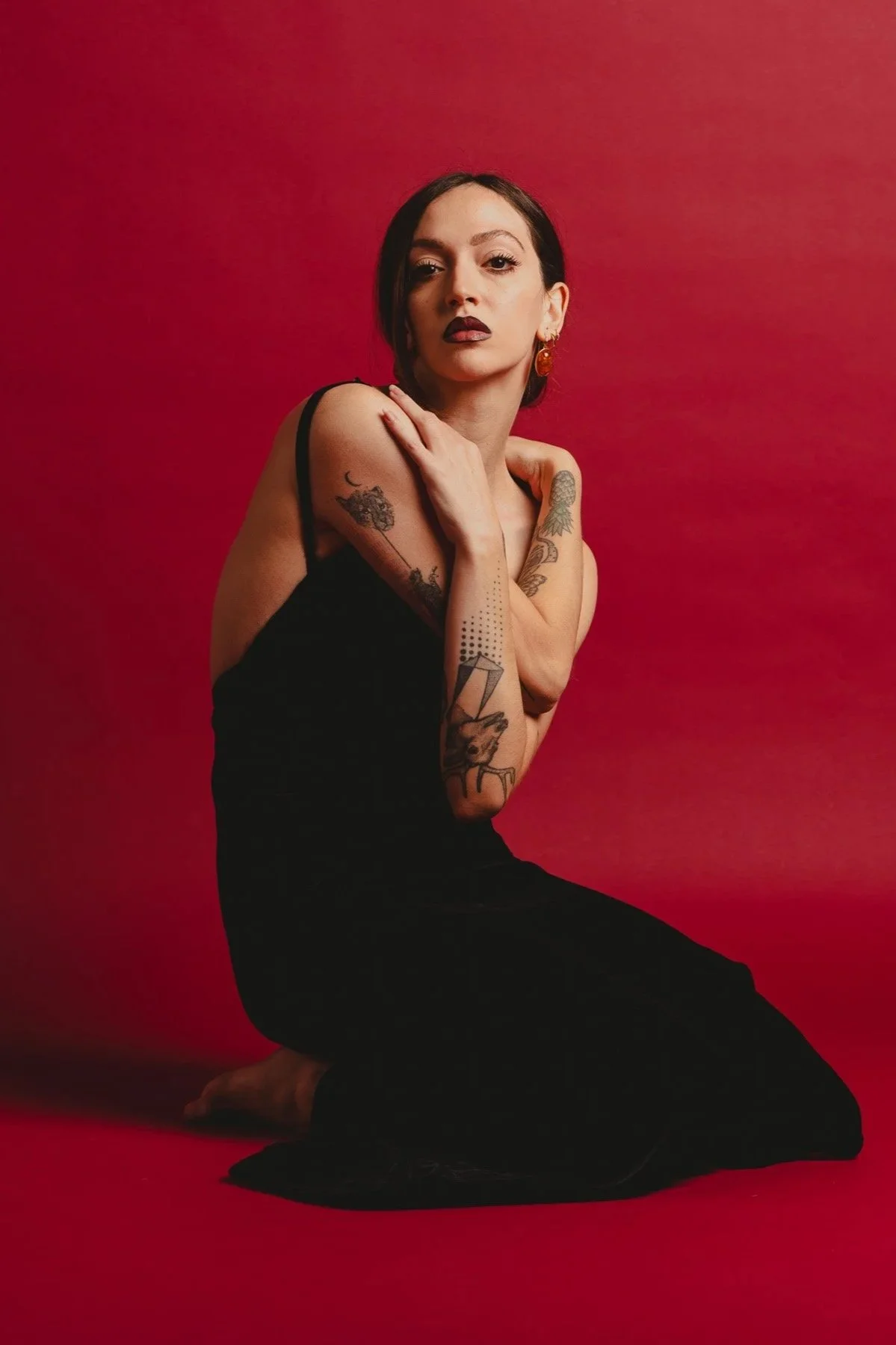
Who is Federica?
Hello! I'm Federica. I am a movement artist originally from Italy, but I have been living in London for more than 10 years now.
When you perform, do you feel you're stepping into a version of yourself you've always known, or becoming someone entirely new?
When I perform, I’m stepping into a version of myself that already exists. It's just more amplified, fearless, and alive. It’s not about becoming someone new; it’s about revealing my truest self. Performing allows me to fully embody the emotions, energy, and expression that might stay beneath the surface in everyday life. In those moments, I feel the most honest and free.
How do you navigate the balance between control and surrender in your movement? Are there moments where you consciously let go, or intentionally hold on?
This is a fascinating question because it touches the heart of my entire dance practice. For me, movement is a constant dialogue between control and release, a negotiation between holding on and letting go. I’m always exploring how much I can trust the body’s instincts while still guiding it with precision. There are moments when I consciously let go to allow spontaneity and emotion to lead, and others when I hold on to shape the movement with intention and clarity. It’s in that tension between surrender and control that I find the most expressive, honest movement.
Have there been moments in your practice where you’ve questioned everything? What did those moments reveal about your art, or yourself?
Yes, I’ve definitely had moments where I questioned everything. As an artist, I think that’s part of the journey; it’s how we grow and evolve. Those moments of doubt can feel uncomfortable, but they often reveal the most. They push me to look deeper into my work, to refine my voice, and to reconnect with why I create in the first place. It’s through questioning that I’ve been able to shape and strengthen my artistry.
How does your background or personal history inform your movement? Are there gestures, rhythms, or traditions that you carry with you when you move?
I’ve never really questioned where my movement style comes from. It feels instinctive, like something that’s always been a part of me. I do believe I move with a strong sense of self, something that feels authentic and almost timeless. While I might not consciously carry specific gestures or traditions, I think my background lives in me more subtly, shaping my energy, presence, and how I take up space. It’s less about copying something I know and more about trusting what naturally comes through me.
Has there been a project you've created or choreographed that felt pivotal to your evolution as an artist? How did it shift your relationship with movement?
I don’t think there’s ever just one project that defines your evolution as an artist. For me, it’s been a collection of experiences over time, each one adding something new to my perspective. Every project, collaboration, or even challenge has played a part in shaping how I move and how I see movement. It’s through this accumulation that I’ve developed my own voice. Rather than one pivotal moment, it’s the ongoing journey that has shifted my relationship with dance and deepened my connection to it.
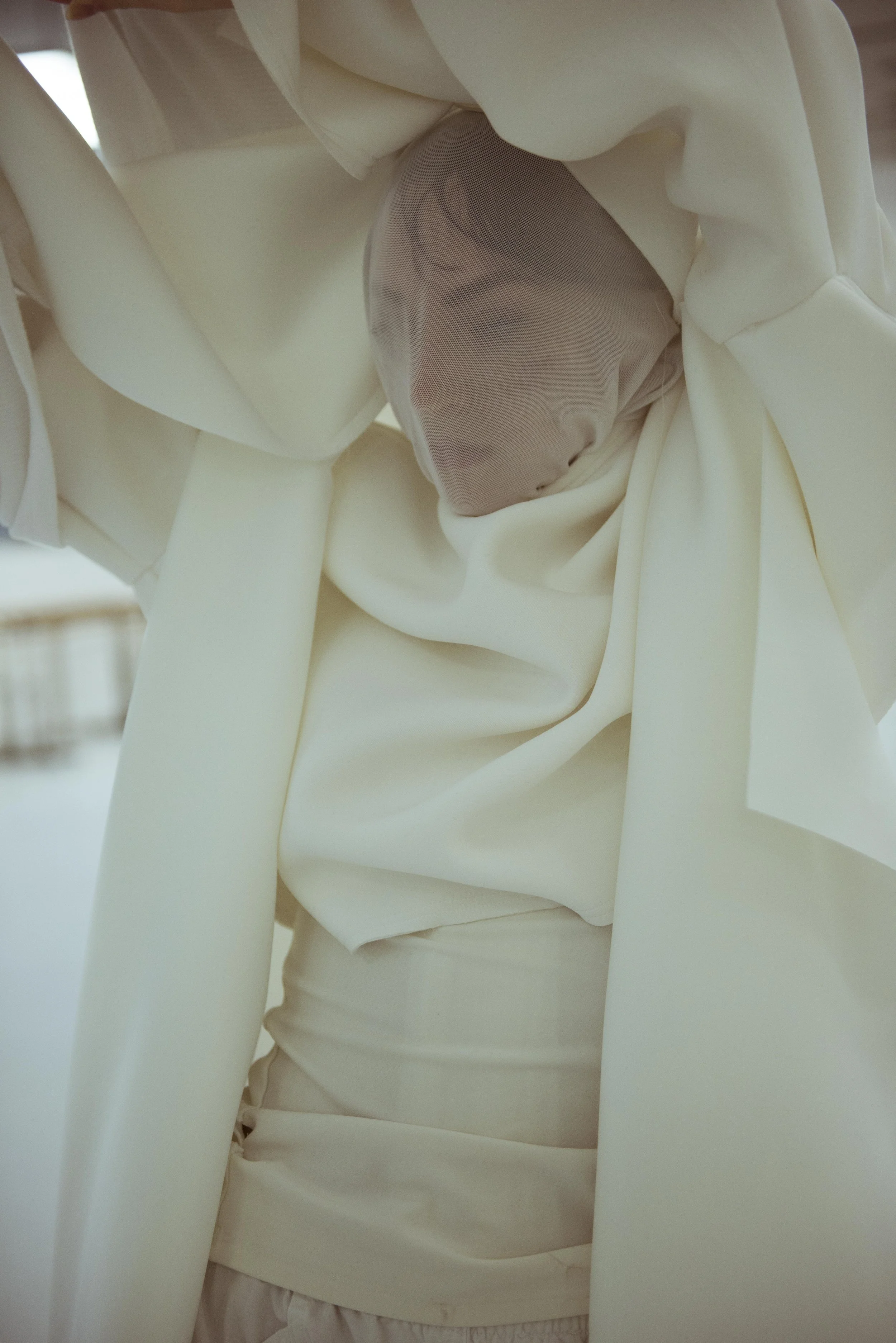
When working with dancers, how do you help them discover their own voice within the choreography? How do you balance individual expression with the overall vision?
When I work with dancers, I like to start by just watching them move, usually through improvisation. It tells me so much about who they are and how they naturally express themselves. I don’t believe in forcing people into a mould. Instead, I try to create choreography that builds on their strengths and individuality. I always leave space for personal interpretation. Even if there’s a clear structure or intention behind the piece, I want each dancer to bring their own voice into it. We’re all different, and I think that uniqueness is what makes the work interesting and real. It’s about finding a balance. Guiding the vision, but letting them make it their own.
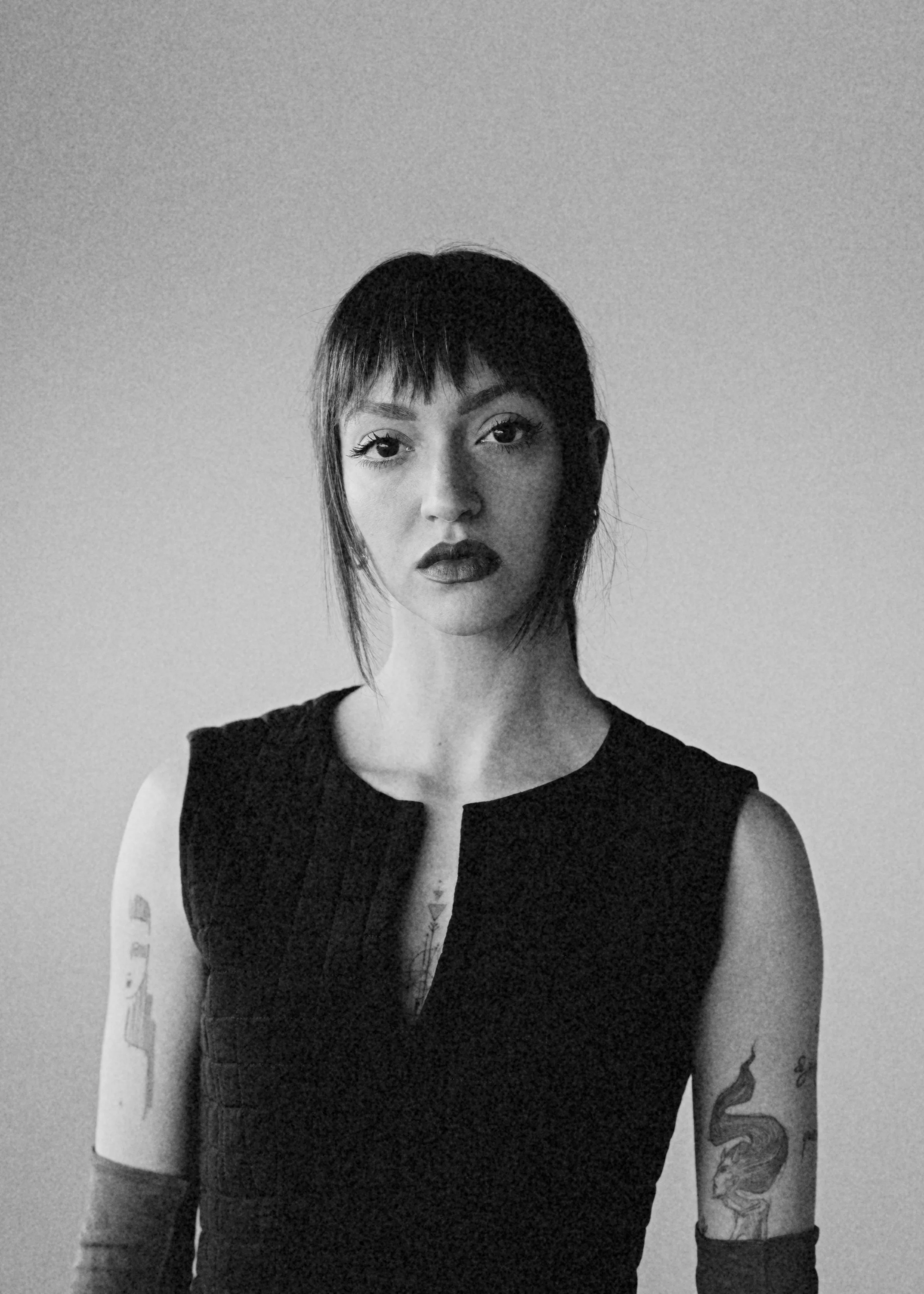
How do you know when a piece is finished? Is there a moment in the process when the work feels "complete," or does it constantly evolve until it's performed?
For me, a piece feels finished when I can clearly see my vision come to life. That moment can happen during rehearsals, a performance, or even when it’s filmed. It’s less about the setting and more about the intention behind the work. When I feel that the piece fully expresses what I set out to create, that’s when I know it’s complete. Of course, the work can keep evolving in new contexts, but the core intention marks the point of completion for me.
Artist @trichio