
Monsters of the
cultural apocalypse
(a post-mortem Dinner Party scrapbook)
Text: Ruby Red
‘The End is Nigh!’ Howled the homesick Frankenstein at the UFO passing over its head.
•
9mo ago
Are we in Cultural Decay/Decline?
•
Dunno. This is becoming a very corporate era. Probably as close to a zombie apocalypse you can get without everyone actually being dead. Perhaps its has always been this way.
Zombie apocalypse. Zombie apocalypse. Zombie apocalypse. Zombie apocalypse.
The New York Times, Why Culture Has Come to a Standstill,2023. The New Yorker, Is Culture Dying? 2024. The Atlantic, Is Culture Really Dead? 2025. Vogue Adria, Are We Witnessing the Quiet Death of Culture? 2026.
It’s a uniting suspicion, a hunch if you will. It’s 2020s paranoia zeitgeist; is it the End? Well, yes, the End is Nigh, it always is, but is this End any different from all the other ends? And the End of what exactly?
Monster Cast Inventory:
Alien: Meaning
Clown: Monster Antithesis
Frankenstein: Fragmented Identity
Ghost: Paranoia
Mummy: Unmoving Time
Vampire: Cultural Flippancy
Werewolf: Online Self
Witch: Rejection of Now
UFO: The Past
UFO Hunter: The Frankenstein Psyche
The living room cultural theorist (Me) says: It’s neither the end of time nor space, but it’s the end of a certain type of production, not in the physical realm but in the ungraspable realm of the new. We want newness in an untampered form. Where is the macro-movement to defeat the sticky micro-trend? The thing that bursts out the seams of the now, forming its own lineage, an untraceable force of a Thing. A uniting Thing: Genre/subculture; ideology, lifestyle, purpose, meaning, mythology. Something which spans years or decades in the exterior and ignites a lifetime of dedication in the interior. Such wholeness is a thing of the past, which I can accept, but of course I’m left with a wistful yearning. A grasping at an uncertain mythos. “Oh, the glamour of a united identity,” I whisper shyly, and then loudly I ponder, “has there always been this much vomit?” It’s the allure of coherence. A longing for the structural gift of an era-defined identity. To be a Sixties Hippie, a Seventies Punk, or an Eighties Goth seems so full of peace and splendour. Peace in the earnestness of existence: pre-ironic existence, pre-post irony, pre-post irony-irony, pre-internet saturation, pre-niche-internet-communities, pre-post-boredom, pre-hyper-regurgitation-vomitorium, pre-slop.
The clown hopped past the UFO-hunting Frankenstein. ‘Why so serious?’ said the clown. ‘Gruuuughh,’ said the Frankenstein.
Text @rubyred__xx
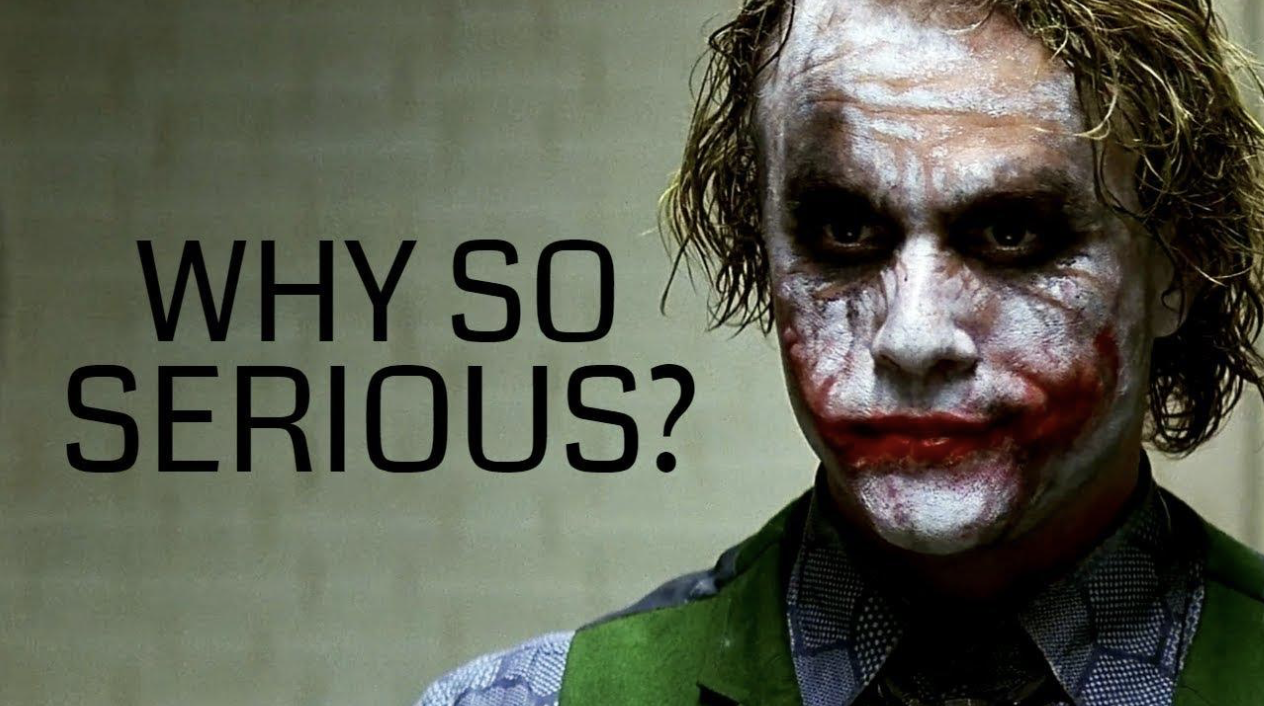
[cont]: I suspect we all long to be a trope, a subconscious desire to be a respectable archetype. Instead, we are assembled Frankensteins who crave to be an original model; to have been birthed from nature rather than manufactured. The Frankenstein yanks at its sewn-together bodice of highly traceable cultural references. The Self tastes different to our idea of what the Self would taste like. In consequence, we are left insatiable.
The unifying newness within culture is the ghoulish hunger for culture for itself.
We just long to devour our left hand.
NutzNBoltz369: But perhaps it’s always been this way.
(Me, in response to NutzNBoltz369): Exactly, NutzNBoltz369! You, the Reddit user who wrote of the zombie apocalypse (in response to user Wall-Waves query of cultural decay, whilst in the r/decadeology auditorium), closed your prose of insight with a thought that, for me, sits neatly beside the suspicion of the end of days: “Perhaps it has always been this way.” It feels comically aligned to the era of self-diagnosis and main character syndrome that we would, in our hysterical nature, self-diagnose our era as the sociopathic killer of culture itself. Remember, even the Brightest Green Grass is blackened by the shadow you cast. Greener on the other side is a fundamental condition of existence. We are neither first nor last to eye up the grass of our past neighbours.
Dr Frankenstein: I thought with a sensation of madness on my creation; for I believed that... I was the true murderer.1
1 Mary Wollstonecraft Shelley, Frankenstein; or, The Modern Prometheus, ed. Maurice Hindle (Penguin, 2003), p. 93.
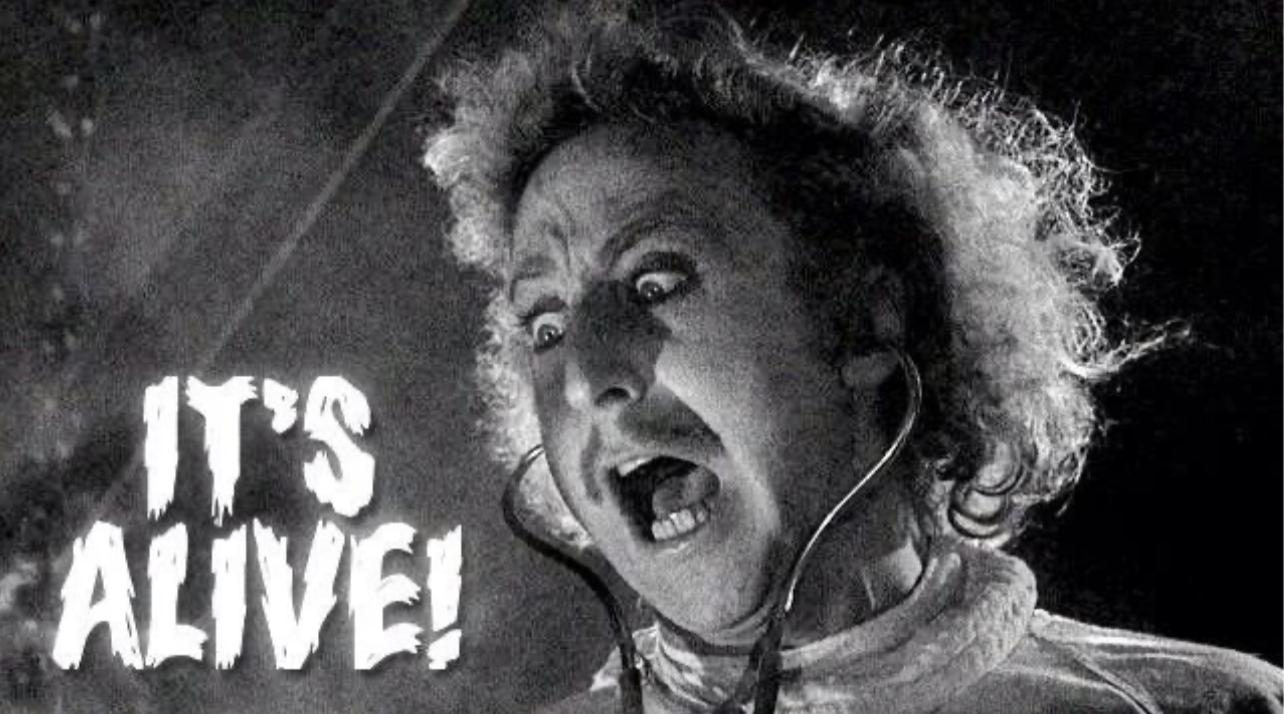
(Me in response to Me): And anyway, I’m sure we all know the truth, which is that culture lives on; it’s alive! We’re just in the midst of a potentially incurable case of cultural tuberculosis, cough, cough, Consumption. We’re homesick for the pre-Frankenstein days. Before the fragmentation and the hodgepodge. The thing that’s dead is the streamlines and the singularness; it’s monoculture that’s dead, not the culture itself.
Me, addressing NutzNBoltz369: Speaking as a Capricorn-sun, Scorpio-rising, UFO-hunter-psyche, Alien-seeking-5’6-Brunette-occasional-Red-Head, a condition of my existence is the craving for categorisation. In all honesty, NutzNBoltz369 (and Wall-Wave if you're listening), the conversation of cultural decay/decline/death/blah quickly becomes drab and dull. Whether we are or are not in a Zombie apocalypse is beside the point. Feeling is far more fascinating than factuality (in both practice and theory).
In order to understand the 2020s landscape of the self, we must first address the monstrous condition which has led us to diagnose the cultural apocalypse we are/aren’t living through.
Without further ado, I’d like to introduce all members of the dinner party to the entirety of the 2020s Monster cast.
[end of imaginary Dinner party]
[swift Cut to Black, words flash on screen]:
MONSTERS AS PARANOIA. MONSTERS AS TRUTH TELLERS. MONSTERS AS APOCALYPSE. MONSTERS AS CATEGORY. MONSTERS AS SUBCULTURE. MONSTER AS CURRENT CONDITION.
Monster Theory
Frankenstein, UFO, UFO Hunter & Alien: Fragmentation, The Past, The Psyche and The Meaning: Overview, Pt. 1
The Homesick Frankenstein is the figurehead of the monster cast, the impetus to the entire landscape of queried existence. The Frankenstein is fragmented identity; hollowed innards with a sewn-together cluttered shell, an organism both living and dead. It fiends for the past, which holds the antidote to homesickness (Homecoming).
The Frankenstein sifts through the vault of past times, a doomsday prepper, gathering the past in order to arrange the future.
The past appears as an Unidentified Flying Object soaring overhead. The grail, the goal; always a grasp out of reach. The UFO is a mirage, a portal, a companion. The past blurs with conspiracy; 2016 is 1967. The Summer of Love was scored by Drake.
UFO = The past. UFO Hunter = The Frankenstein Psyche. The alien is the operator of the UFO; the alien lives inside times gone by; the alien is an answer, an obscure aspiration. The UFO Hunter chases the tail of an elevated consciousness, an alternative to the 2020s human condition; the hunter is both an escapist and a romantic. The Alien = meaning. The meaning is inside the past.
The Past and The Meaning are located at Groom Lake, Nevada (approx. 37.2431° N, 115.7930° W).
The alien beholds the answer for the Frankenstein which seeks itself.
VISUALISER:
Location: Monsterverse
There are characters all around. It’s all mosaic-looking, metallic and orange hues; it's both a spook-a-rama Coney Island haunted house ride and a boiling hot motorway collision, pieces flying everywhere, a monster mish-mash, i.e an entire Monster-Mash.
In the foreground, Frankenstein weeps. Homesick blah. Nostalgia blah blah. FRANKENSTEIN AS A WHINGING KALEIDOSCOPE. Frankenstein is in the fetal position, lying on a bed, neck curled, face lit with a silver-blue tinge projected off an Orange iPhone 17. The Cosmic Orange acts as an enlightenment source due to its Buddhist associations. The colour saturates the Frankenstein in a smog of techno-spiritualism.
Mark Fisher: Capital is an abstract parasite, an insatiable vampire and zombie maker; but the living flesh it converts into dead labour is ours, and the zombies it makes are us.2
2 Mark Fisher, Capitalist Realism: Is There No Alternative? (Winchester: Zero Books, 2009), p. 15.
"You still don't understand what you're dealing with, do you? The perfect organism." Hummed the alien from inside the UFO.3
3 Alien, dir. by Ridley Scott (Twentieth Century Fox, 1979) [on DVD].
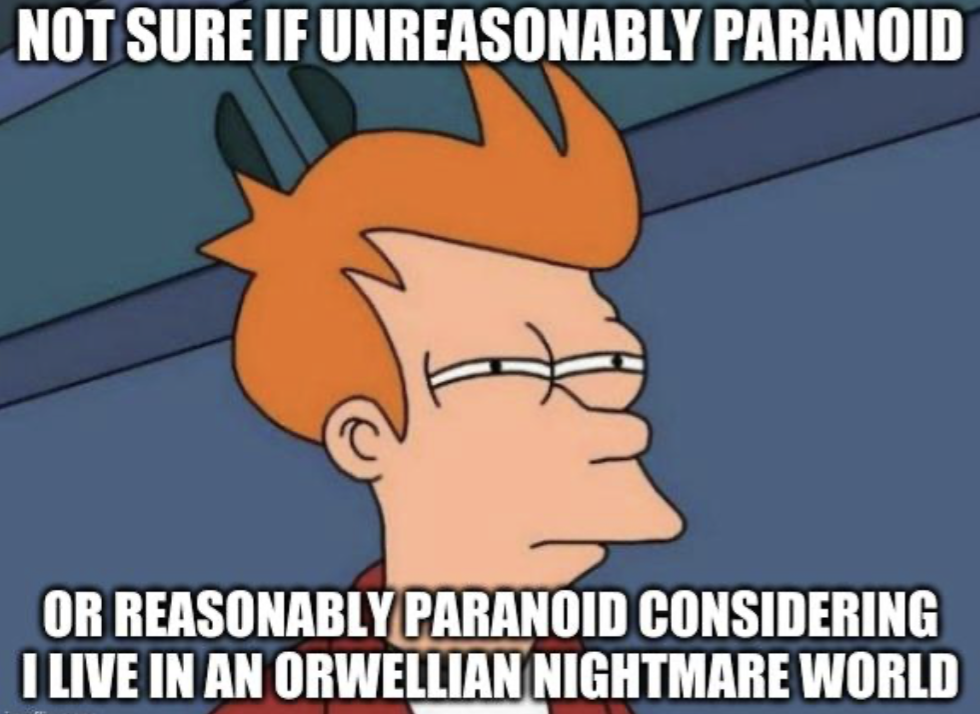
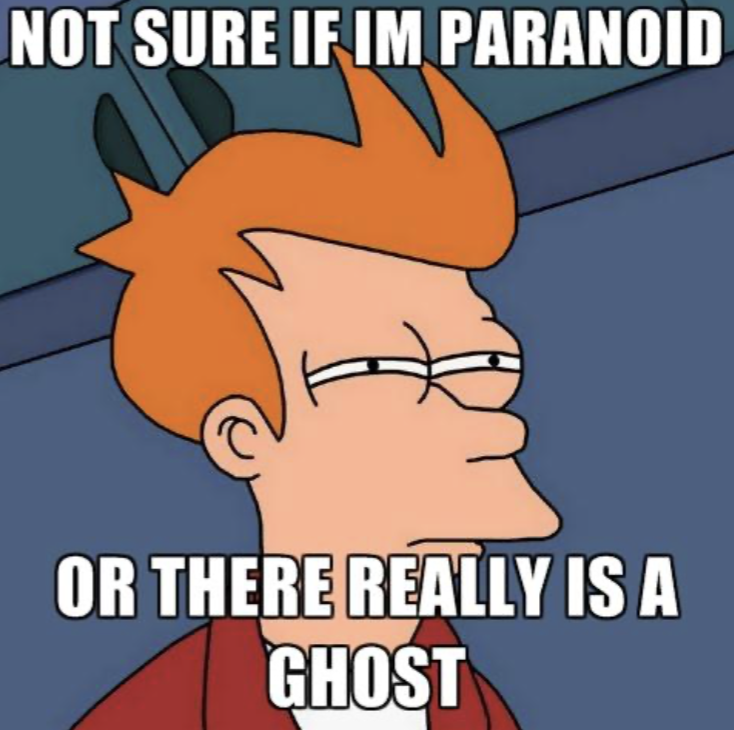
There are corridors upon corridors, and then it’s the thing that goes bump-bump-cry in the night; you turn your head, all the hairs you own are sprung to attention. In a flash it’s there / in a second flash it’s gone.
A ghost shall never be born is an undisputed fact for the ones who haunt, i.e. it is impossible for a Ghost to give birth or be born. This crucial biology of the Ghost fuels the paranoia that the being embodies. If newness in our mortal understanding of new ceases to exist, this must be the end. Birth = life. Ghost = un-born. Ghost can only exist as a repetition of those who were once Born (= New). Revivalist culture, in this case, is synonymous with death.
Side Notes: Mummy is the UGG boot, the Croc, the Adidas 3-Stripe, the Birkin (preservation, embalmed, the unmoving time). The ballet pump is a Ghost (re-hashing, revivalist, timeless yet inconsistent through time in ubiquity, phasing through history). Indie Sleaze is a Frankenstein (a collage of a thing that was once born=new. A searching through exoskeletal decoration, a nod to a lifestyle without actual exposure to the primary source). The werewolf is the untamed Online self, human until under the spell of The Full Moon (the Blue Light can transform the self and heighten levels of lust, violence and impulsivity. When one glimpses the slouched face and mindless eyes reflected in the phone-screen-front-camera, the sensation of panicked dissociation is akin to the werewolf catching sight of its manic stare in a body of water as it stops its rampage to take a gulp.)
Micro-trend/Asos-ification is a Vampire.
The Vampire is the older sibling of the Frankenstein, yet whilst the Frankenstein is hollow, the Vampire is full. Unaltered by the constancy of existence, for the eternal insomniac, decades pass in minutes; trends flurry through weeks which once were years. The vampire seduces, consumes, discards and spawns. Vampire is nihilistic hunger, unsatisfied. Vampire is cultural flippancy, no allegiance. The vampire is burdened with immovable apathy. Having already experienced all there is to the world, the vampire happily throws it all away. The Frankenstein consumes the hand-me-downs and wears them on its shell.
Witch is rejection of the Now, as the Now is a rejector of Her. She appoints herself as outcast, unable to relate/be related to. She observes, analyses and disregards the fellow monsters of her habitat. Her mortal enemy is the vampire. Blood-suckers live inside the immortal realm, whereas Witches come imbued with the knowledge of their own mortality; execution angst is part of their legacy. She is the mystic, the morbid prophet, the core preacher of the apocalypse. The Magick of the witch is infused with intergenerational wisdom. She pines for tradition and cultural longevity whilst traipsing the woodland edge of the Monsterverse. She equates artificiality (short-term novelty, cyclical trends, Asos-ification) with immorality. She considers herself unaffected by synthetic fads; she morally aligns herself with anti-fashion. She opts out and garbs herself in plain attire; she uses the configuration of normality as a protection charm (a bid to warn off the Vampire and the Frankenstein). However, her attempt at aesthetic sincerity is hindered by her introspection; her consideration becomes overconstruction. She cannot embody earnestness with integrity. She exists as a definable product of the culture she rejects; she is trendy, she is paralysed, she is post-ironic-normcore.
She indulges in the despair of her condition…
She whispers the words, ‘the End is Nigh,’ into the gaping ear of the Frankenstein. The Frankenstein devours the prophecy and repeats it freely.
‘Irony ruined everything. Even the best exploitation movies were never meant to be ‘so bad they were good.’ They were not made for the intelligentsia. They were made to be violent for real or to be sexy for real. But now everybody has irony. Even horror films now are ironic. Everybody's in on the joke now. Everybody's hip. Nobody takes anything at face value anymore.’ – Jon Waters
[Imaginary Dinner party returns]
Pennywise (interrupting Monster Theory): ‘But why now? Why the Clown?’
[Imaginary Dinner party Ends]
Victorian mirage, all sepia-toned. Now it’s a white light, now it’s a white sheet, it’s paranoia inside a sheath. It’s Hauntology 101, but ultimately it’s the paranoia produced by the Ghost that’s most relevant to Monster Theory.4 The Great Invisible Fear. The feeling/talk of the apocalypse creeping down the spine is as relevant to existence as the actuality taking place = “The End” in suspicion or fact is of equal impact.
4 Hauntology references a spectrum of ideas which explore the way the past persists in the future, as if haunting our present experience of life. The neologism was coined by philosopher Jacques Derrida in Spectres of Marx (1993): “To haunt does not mean to be present, and it is necessary to introduce haunting into the very construction of a concept”. In the 2000s, hauntology was used to describe a genre of electronic/experimental music which evoked a sense of cultural memory/nostalgia. The term was popularised by theorists such as Simon Reynolds and Mark Fisher.
‘By the pricking of my thumbs, something wicked this way comes.’5 – Macbeth, William Shakespeare
5 William Shakespeare, Macbeth, ed. by A. R. Braunmuller (London: Penguin Books, 2008), Act 4, Scene 1, line 44.
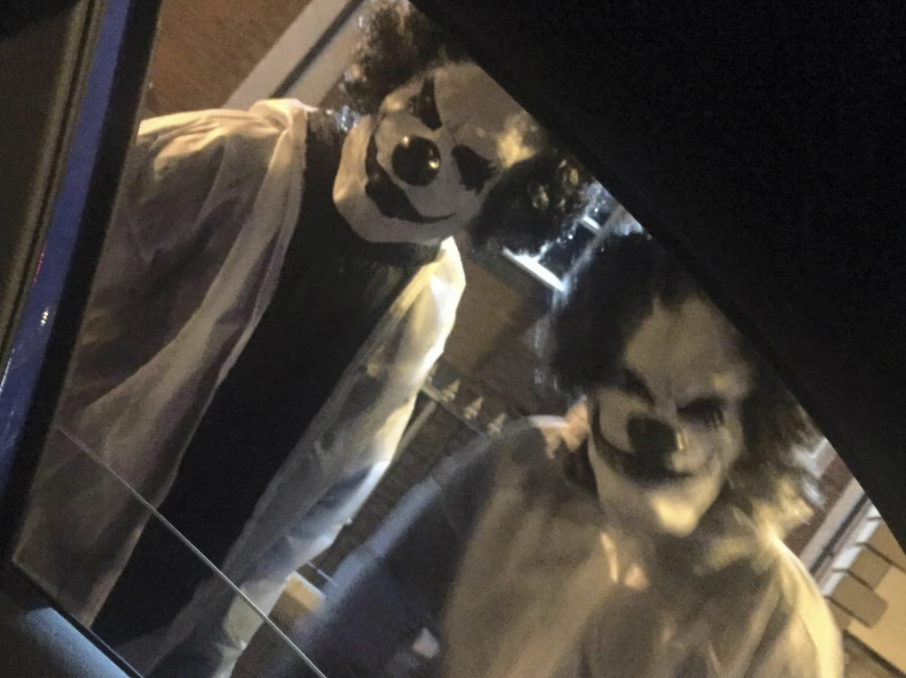
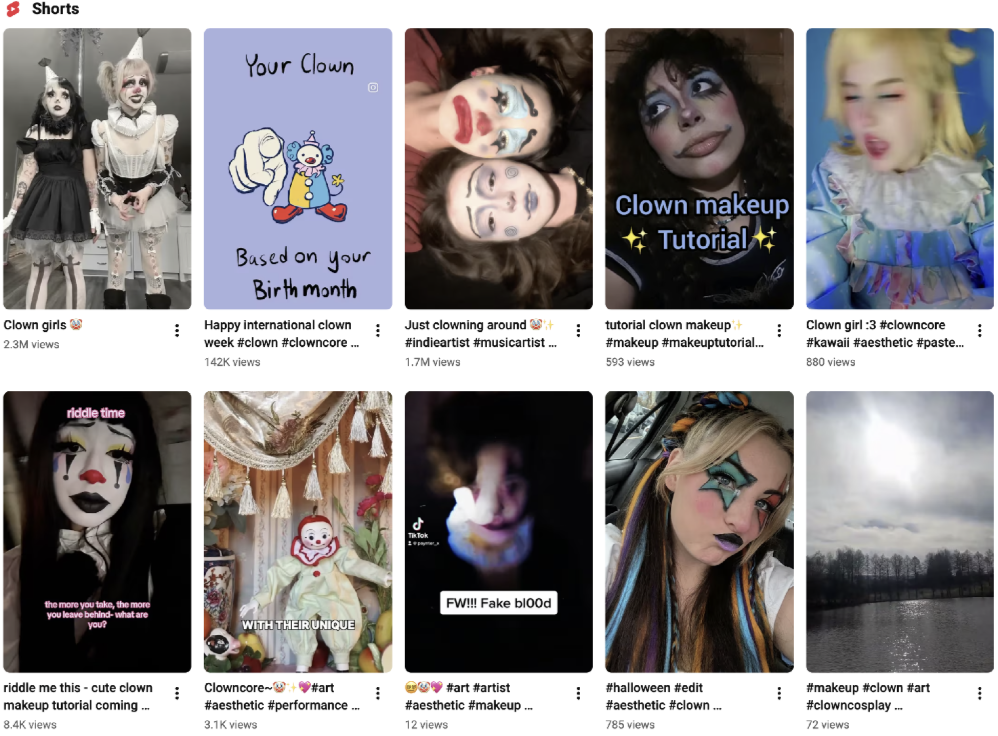
Answer:2016. Killer Clown Epidemic. (2016 exists as a mythological year; the year was the crescendo of the modern world, we are merely existing in a post-2016 time loop.) The prevalence of clown culture/core/lifestyle grew out of the innards of the Killer Clown global phenomenon. A somewhat unrecognised yet obvious correlation. The clown was transformed in this moment of hysteria into a symbol of internet-era-post-truth-chaos-delirium.
The collective shadow has truly seeped into the inner glow of humanity, a summation which has produced the age of the unserious. The Clown as cultural signifier has lived before (specifically, ICP Fans Juggalos [male] and Juggalettes [female]), but the Mind, Body, Spirit of the Clown have never been so omnipresent. It’s seeped into the crevices of what can only be described as everything. The Clown ceases to exist as a mere trend; the Clown has guided cultural transformation, a hand to hold in the shift from one world to another. The clown is entirely comfortable in the apocalyptic realm. The clown is ultra-present in its ethos and knows nothing of nostalgia. The Clown’s endless faces provide endless perspectives, granting no reason to reference the past tense. The clown is entirely fixed to the here and now with an identity that exists as an ever-shifting organism which slithers over the splinters of the fractured self. Leaving behind a harlequin-patterned sheen. The clown finds contentment in over-saturation and hyper-stimulation. The clown scoffs at the homesick Frankenstein. The clown is the second, third and fourth self. The clown is a mask, yet the goal is not complete concealment; the clown mask is a vehicle for truth/subversion/resilience. The clown is a way to wear the inside on the out without splitting oneself open. The clown is the antithesis to the discontent monster. The Frankenstein whines and weeps whilst the clown hops and giggles.
Definition
The ability to basically say whatever you want without repercussions, such as insult the king. A jester would have legal protection and permission to make such jeers, as his purpose was simply to entertain and was often not taken seriously, but despite this, often was one of the more important members of the King's Court, and was given high status.
"He just insulted the king! He should be punished"
"Its fine, he's a jester. He has Jester's Privilege"
by The One Without Purpose January 11, 2024 Urban Dictionary
Jester’s Privilege is a political post-truth communication style; words become a hallucinatory sleight-of-hand card trick; deceit is part of the amusement. Entertainment is the currency of the Now. As a result, the Jester persona trapezes over the daggers of consequence.
They stare at one another, dangling on the edge of the the End, there’s bricks falling all around, the bolts on each side of the Frankenstein's neck bulge and squeal. The clown teases. ‘I never could remember, is it you who goes by Frankenstein, or was that the name of your maker? Are you the monster? Or did you merely make the monster you are, same difference, you eat all of that you preach. Truth is peripheral to the eye of the beholder.’ The clown pulls a bolt out of the Frankenstein's neck, the Frankenstein stumbles away, both bolts intact.
‘The trickster is a collective shadow figure… a summation of all the inferior traits of character in individuals.’6 – Carl Jung
6 Jung, C. G., ‘On the Psychology of the Trickster-Figure’, in The Archetypes and the Collective Unconscious, trans. by R. F. C. Hull, 2nd edn, Collected Works of C. G. Jung, vol. 9, part 1 (London: Routledge, 1969), pp. 255–72 (p. 266).
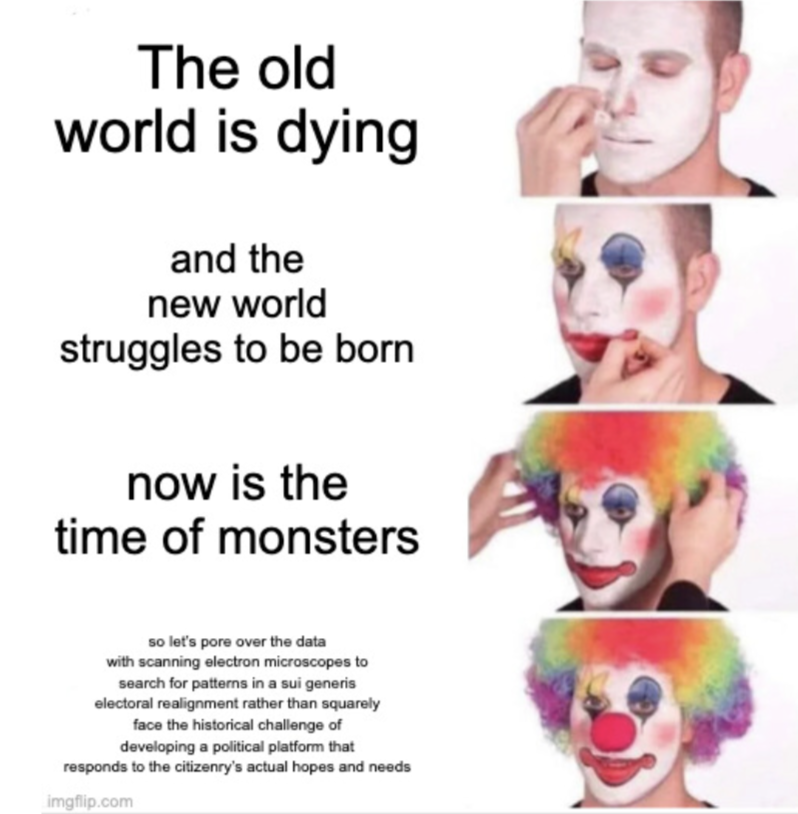
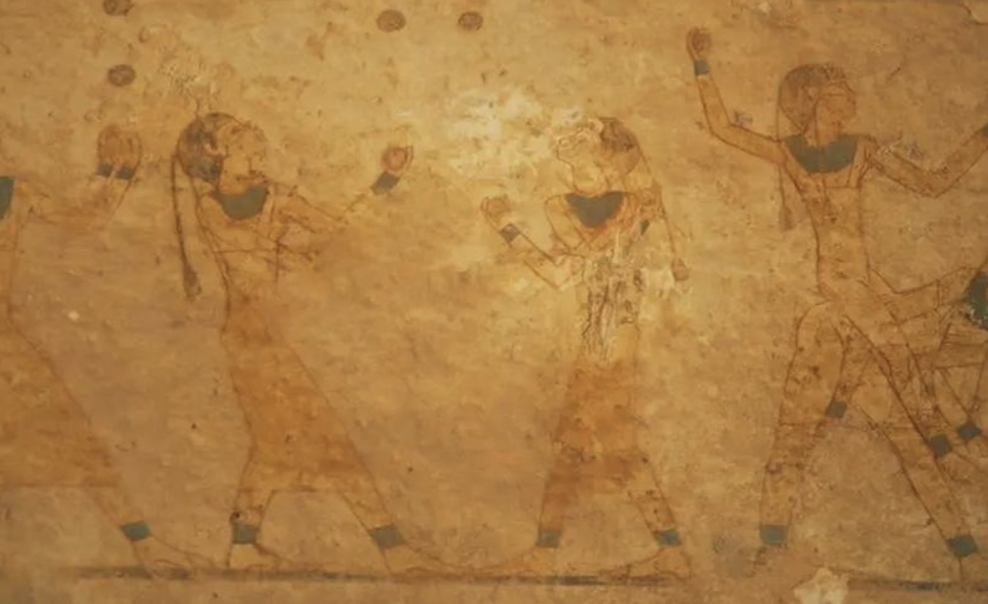
The Clown is an entirely self-aware metaphysical being. The Clown consumes the external theatre of existence and spits it out in technicolour drool which paints its body. The Clown proudly becomes the spectacle it inhales. The 2020s Clown has reaffirmed its role as spiritual guide.
‘The history of clowns dates back to 2,400 B.C, as the first recording of clowns was found in ancient hieroglyphics in the Fifth dynasty of Egypt. It was thought that clowns served a socio-religious role as the priest as well as the role of the clown’ – clowns.com
Clown nose symbolises third eye. Clown nose as singular polka dot. The polka dot as Viral pattern of the Now. Clown as medicine. The visiting hospice clown acts as antidote to the 2020s morbid condition. Clown as the meme therapy which soothes the self-fearing Frankenstein.
The clown takes ownership of its timeframe; the clown knows that one day the Frankensteins of the future will long to have been a 2020s clown. The clown beholds no supernatural gifts, yet is the most monstrous of them all (the coulrophobe is common, yet the teraphobe is rare).7 The Clown is antidote and destroyer. The clown is both apocalypse and paradise.
7 Coulrophobe meaning clown-phobe; teraphobe meaning monster-phobe.