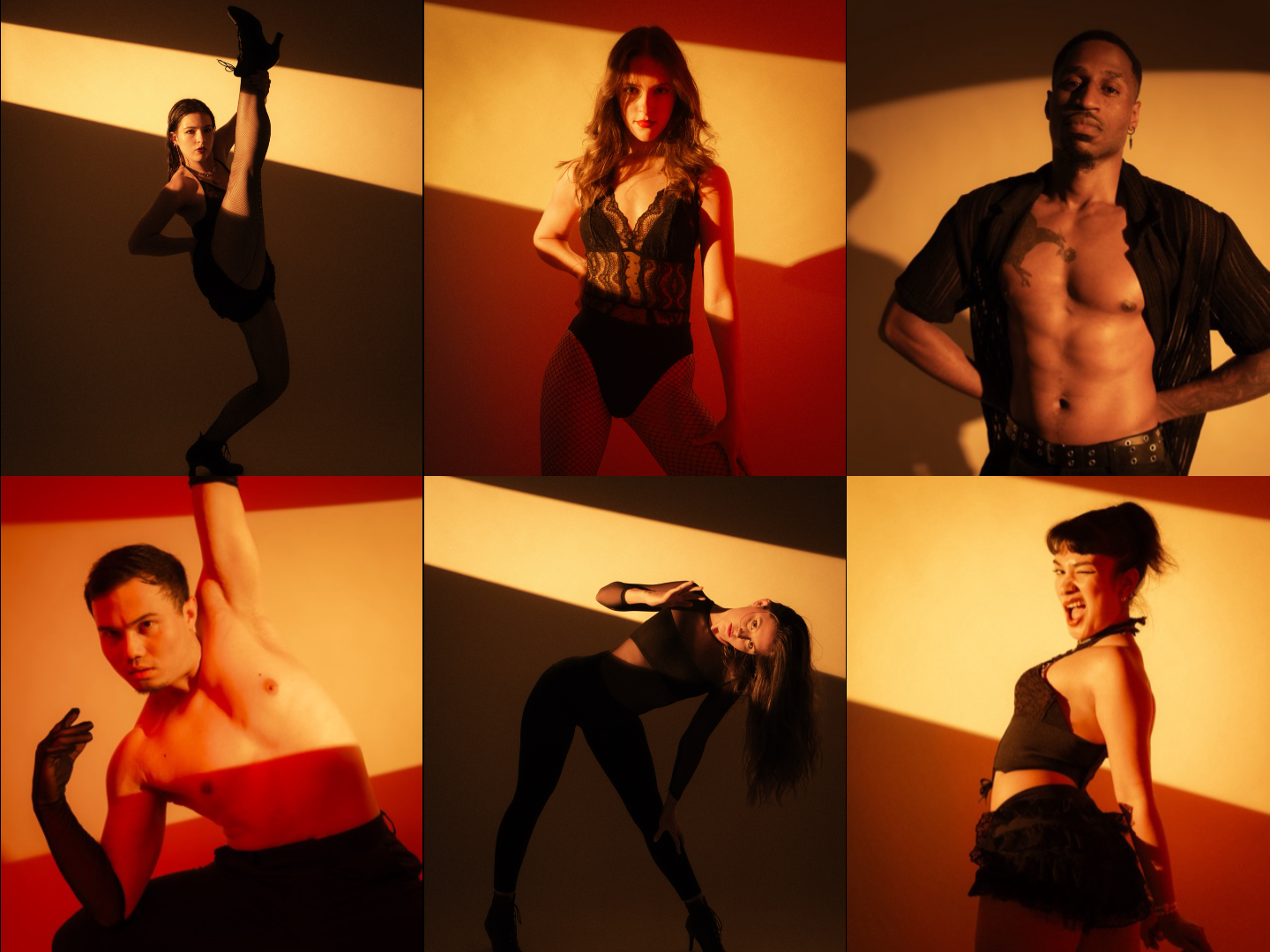
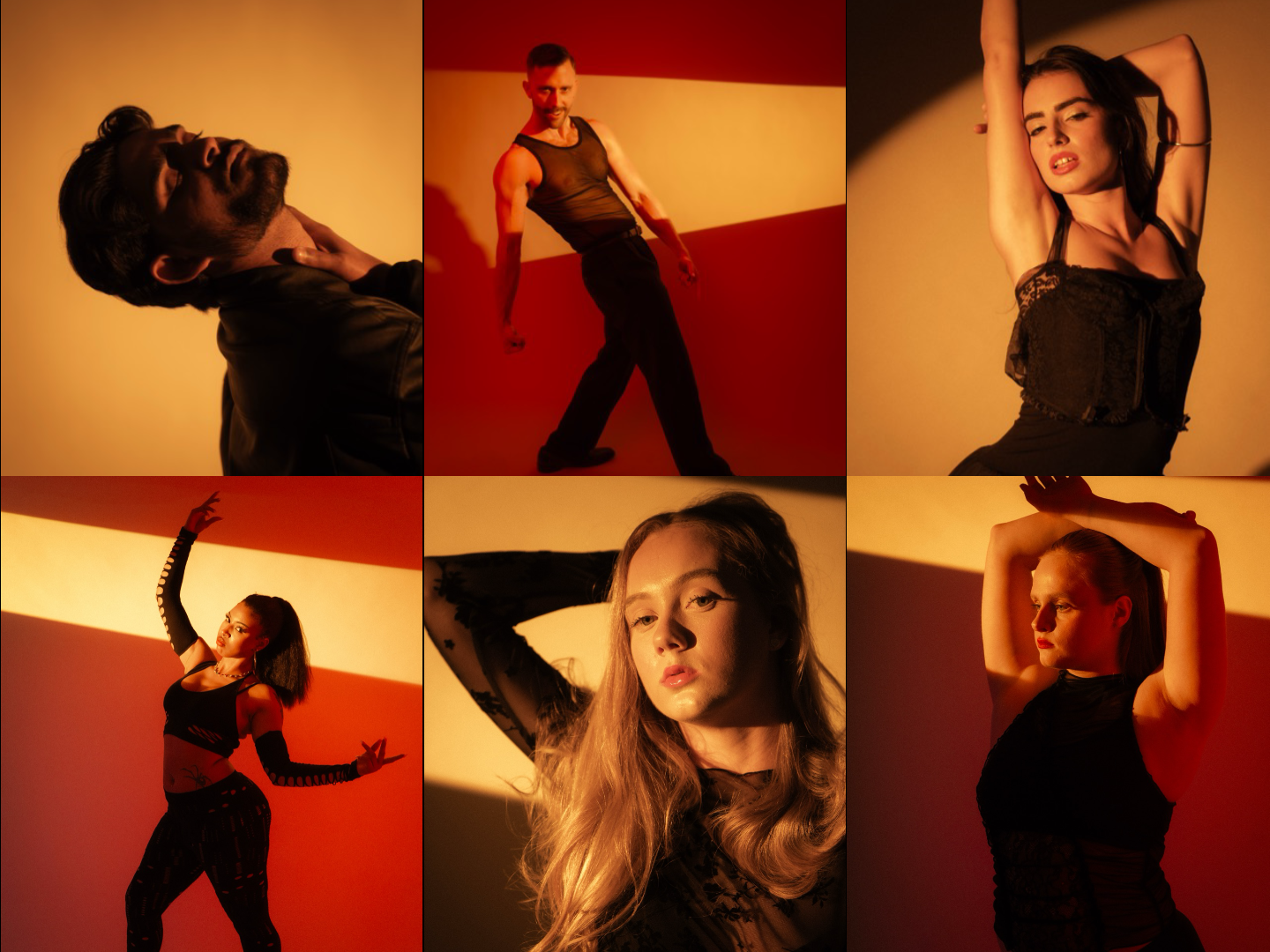
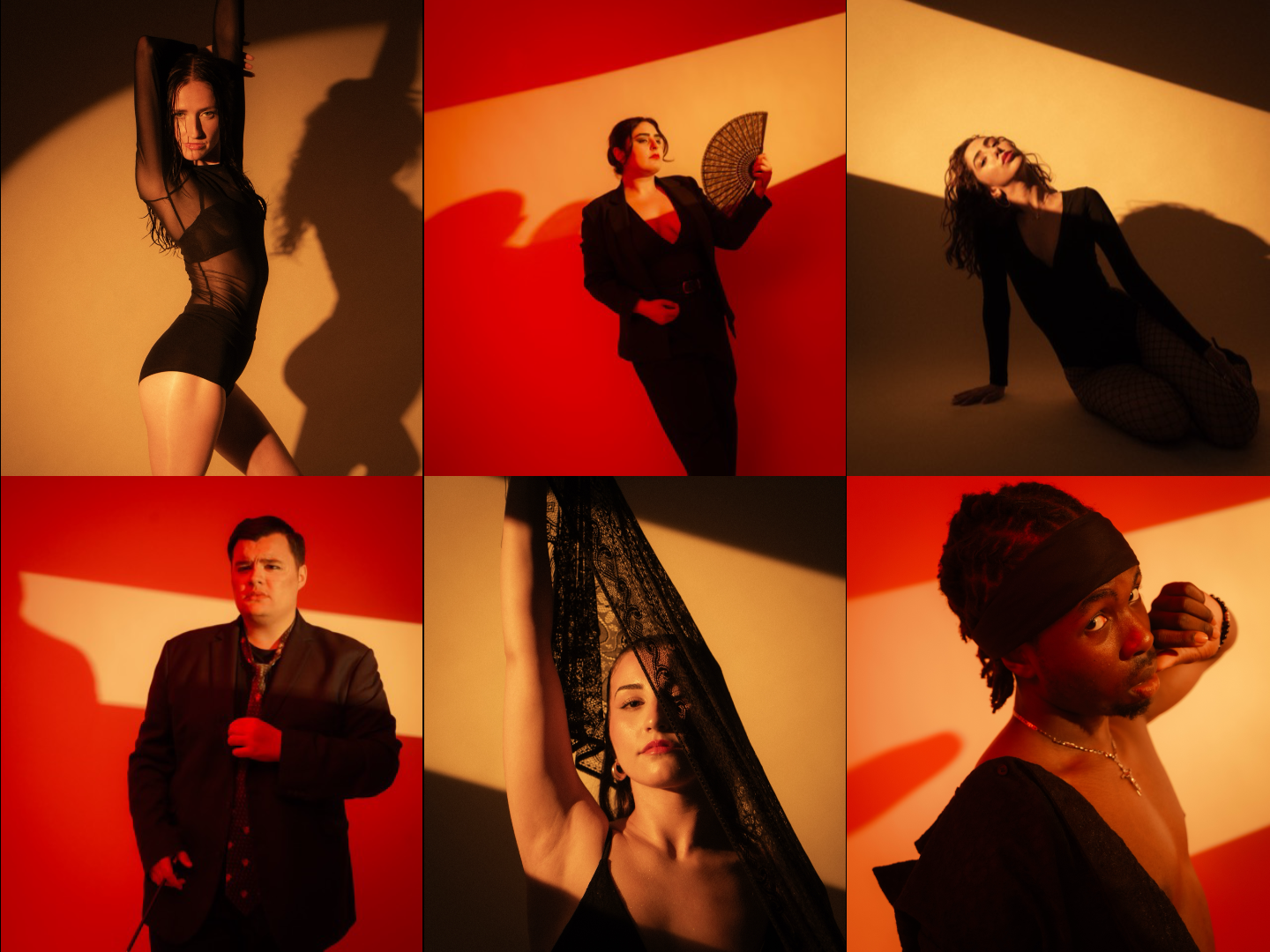
There are always at least two performances happening at once: the one we believe we are watching, and the one that is watching us back. One is staged under the spotlight, choreographed into visibility; the other moves more quietly, in the pauses, in the timing of applause, in the way a room gathers and releases its attention. We tend to notice only the first. The second is felt rather than seen.
What follows takes place between those two consciousnesses: the body seated in the audience, shifting in its chair, laughing on cue, and the voice of the Master of Ceremonies, who interrupts, freezes scenes mid-gesture, restarts them, and reminds us that what we are watching is being carefully arranged. One consciousness responds instinctively; the other regulates rhythm, controls tempo, and decides when illusion should hold and when it should fracture. Between them, the evening is constructed: through choreography and pause, through rehearsal and risk, through the subtle exchange of gaze and applause that keeps the performance alive.
Neither voice is entirely separate from the other. They share the same air. They depend on the same light.
Who Is Holding the Spotlight?
On Guerrier Bisous
Text: Selin Kir
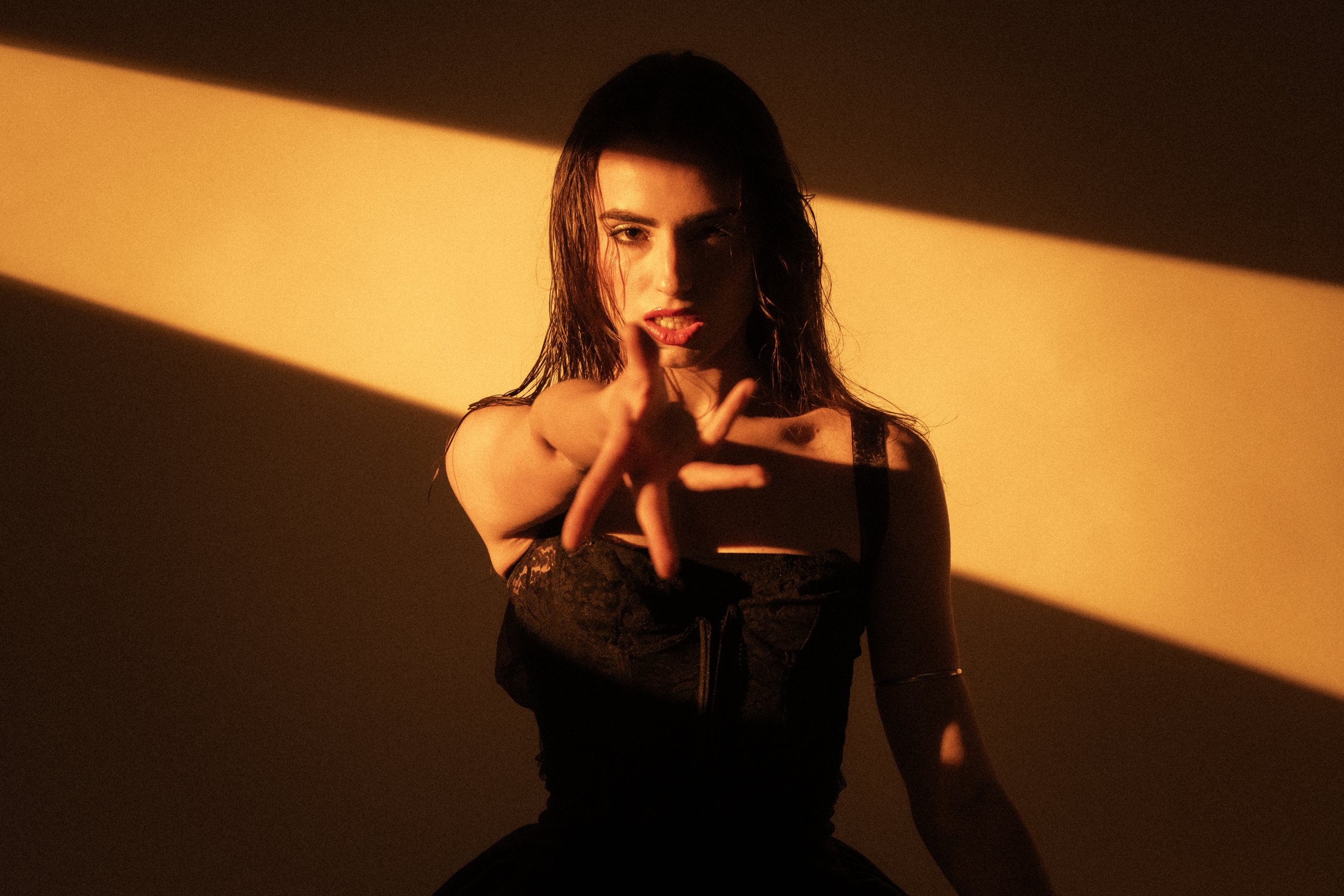
The lights fall and I feel the room gather itself. A silhouette strikes a pose before our eyes have adjusted to the dark. Someone whistles, and I laugh, not because anything has happened yet, but because the energy demands it. There is relief in recognising the rules so quickly. Feathers, sequins, satin. I settle into my seat and tell myself I am here to enjoy this.
They relax when they recognise glamour. It gives them somewhere to stand. Hold the first pose long enough for them to settle into expectation.
The music swells and the audience leans forward almost imperceptibly, chairs scraping closer to the stage. I register the closeness of bodies, ours and theirs, and feel myself already implicated. This is burlesque. This is cabaret. The grammar is familiar. A star will rise. A lover will wound her. Someone will betray someone else.
Familiarity is the safest entry point. Give them a story they have inherited. Let them think they know where it bends. We have rehearsed this narrative countless times before.
Colette appears luminous, almost too luminous for the underground room that contains her. She moves with the ease of someone accustomed to being watched. When Ryan enters, the tension settles immediately between them. Desire is immediate, visible, choreographed into closeness. I recognise the arc forming before it has fully revealed itself.
Desire must look effortless. The labour that shapes it should remain invisible, for now.
I am aware of how quickly I begin assigning roles. The controlling Lady of the House. The ambitious lover. The ingénue with too much light around her. I relax into the clarity of it. It is easier to feel than to question.
They love clarity. Clarity is seductive. But clarity is also constructed.
The Master of Ceremonies steps forward and time halts mid-gesture. A performer freezes. Arm suspended, mouth half-open. The interruption is precise and deliberate. The MC turns to address us directly with a question that demands response. We laugh again, this time aware of ourselves in the room, caught between answering and being exposed. It feels clever to be acknowledged, until the joke turns back on us.
Freeze. Let them feel the mechanism. Not enough to alienate them. Just enough to suggest that someone is holding the threads, and willing to pull them tighter.
For a moment, I am aware of my own posture, how I am leaning, how my eyes track movement. I had forgotten myself. Now I am returned to myself. The room shifts. I am not just watching; I am being watched in my watching.
Applause is part of the choreography. Laughter is cue. Their gaze sustains the scene. And when the MC sharpens the humour into something almost accusatory, the laugh arrives half a second late, edged with recognition. Without them, nothing holds.
The story continues. Love sharpens into jealousy. Success begins to look extractive. Ryan’s admiration curdles subtly into entitlement. The Lady of the House watches from a position that feels both powerful and precarious. I feel irritation rise in me, at him, at her, at the inevitability of the pattern.
They want someone to blame. It makes structures easier to digest.
I wait for the turn. I expect Colette to reclaim herself in a blaze of individual triumph. I expect a solo that resolves everything. The narrative seems to be leading there, toward rupture, toward victory.
They have been taught to desire the solitary heroine. Let the tension build inside that expectation.
But the break, when it comes, is quieter than I anticipated. Colette does not destroy a single antagonist. She does not stand alone in the spotlight while others retreat into shadow. Instead, something subtler rearranges itself. She steps sideways. The hierarchy loosens. I feel slightly unmoored. The ending I prepared for does not arrive.
Shift the axis. Move the resolution from individual conquest to collective alignment. Watch how they recalibrate.
The stage remains saturated with red and violet light. Fishnets and lace catch in the glow. Heels strike the floor with deliberate precision. The glamour persists, but it feels different now: less aspirational, more conscious. I begin to notice the repetition of gestures, the discipline beneath the flirtation.
Rehearsal is the spine. Every swivel, every pause, has been tested in advance. Instability is practised until it becomes legible.
I think of the height of the heels, the way balance must be negotiated in each step. They look effortless. I know they are not. The illusion depends on repetition, on bodies trained to move through imbalance.
Instability is aesthetic. Constraint is stylised. They see seduction; I see calibration.
The MC interrupts again. A glance toward us, a raised brow, and another question that sounds playful but lands as diagnosis. I feel implicated in the exchange of power onstage, as if the joke has briefly stripped the room of its safety. My applause has weight. My silence would too.
Consent, trust, timing. Even desire must be agreed upon. Nothing unfolds without rehearsal behind it, not even the exposure disguised as comedy.
The intimacy of the venue amplifies everything. Tables arranged in careful proximity. Cocktails placed just so. The room feels immersive, conspiratorial, almost protective. I feel included in something communal.
Inclusion is designed. The architecture of the room guides their sense of belonging. The show begins before the first line is spoken.
I find myself drawn to individual performers. Ginger Snap’s brightness, Duche$$’s commanding presence, Tigress’s contained ferocity. I begin to favour certain energies. It is instinctive.
Resist the star system. Let the ensemble hold. No single body should carry the illusion alone.
As the performance moves toward its close, I begin to understand that I have been watching a story of betrayal and reclamation shaped by the circulation of power. The spectacle remains and moves across the stage, spreading through the ensemble, held collectively instead of resting at the centre. The joy that settles in the room feels worked for, built collectively, held in place by everything that came before.
They are beginning to see the framework. Just enough.
When the final applause arrives, it is fuller, heavier. I clap without hesitation. The sound reverberates through the underground space. I feel exhilarated, altered.
This clap has been built from the first beat. It seals the circuit. Audience and stage, watcher and watched, bound for a moment by shared labour.
As the lights rise, the illusion does not entirely recede. I carry it with me into the corridor, into the night. I think about how easily I entered the story, how willingly I accepted its premises. I think about the interruption, and the freeze, and how briefly I saw the scaffolding.
The wishbone does not break cleanly. It holds tension between two forces: glamour and discipline, softness and endurance. The room is never neutral. Neither are they.
There are always at least two performances happening at once. I arrived prepared to watch a show. I leave aware that I have participated in sustaining it. Somewhere between laughter and applause, between spotlight and shadow, the structure revealed itself. And even now, walking away, I am not entirely certain which voice is still speaking.